
Al Sharq for Metals & Industrial Supplies in Alexandria offers a comprehensive range of ceramic fiber products designed for high-efficiency thermal and industrial insulation applications. Ceramic fiber is one of the most widely used insulation materials in furnaces and industrial facilities due to its exceptional resistance to high temperatures, lightweight structure, and ease of installation. It is available in a variety of types and dimensions to meet the diverse requirements of different industrial applications.
Table of Contents:
- Types of Ceramic Fiber and the Applications of Each Type
- Ceramic Fiber Densities, Temperature Ratings, and Available Dimensions
- A Comprehensive Comparison Between Ceramic Fiber and Fiberglass
- Ceramic Fiber Stock Availability in Alexandria and
Types of Ceramic Fiber and the Detailed Applications of Each Type
Ceramic fiber is available in several forms to meet a wide range of thermal insulation requirements in factories, furnaces, and production lines. These products differ in shape, installation method, and intended application, while sharing the same core advantages: excellent resistance to high temperatures, reduced heat loss, and improved operational efficiency. Below are the most common types of ceramic fiber and their specific applications:
- Ceramic Fiber Blankets
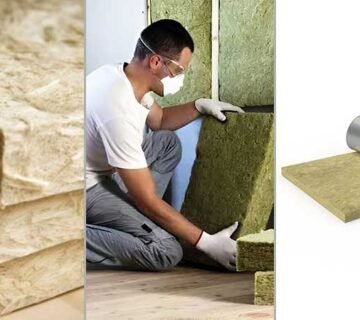
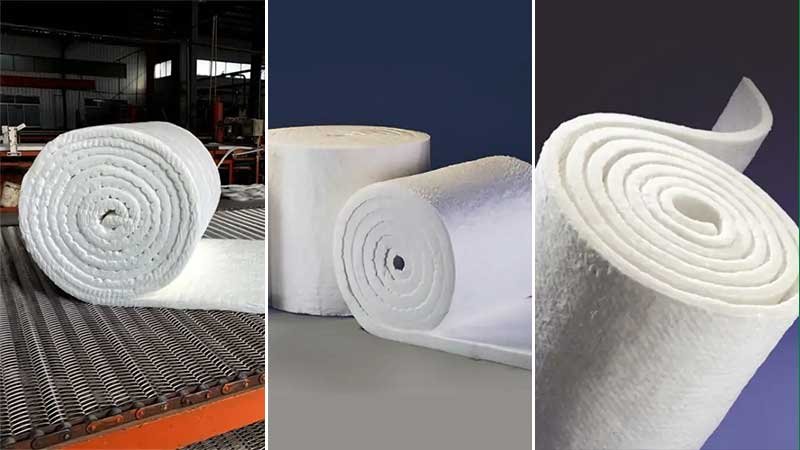
Ceramic fiber blankets are among the most widely used thermal insulation products due to their flexibility, lightweight structure, and ease of installation. They are commonly used for lining industrial furnaces, boilers, chimneys, pipes, storage tanks, and other surfaces exposed to high temperatures. Their excellent thermal resistance helps reduce heat loss and improve overall energy efficiency.
- Ceramic Fiber Boards
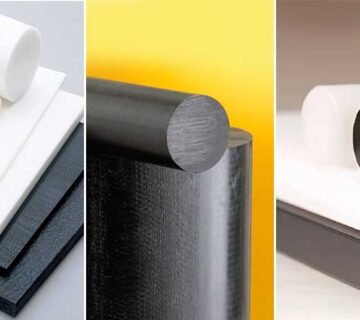
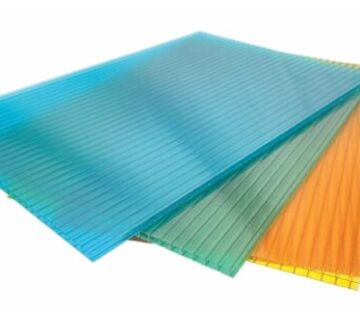
Ceramic fiber boards offer greater rigidity and mechanical strength compared to blankets, making them ideal for applications that require structural support in addition to thermal insulation. They are widely used for lining furnace walls and roofs, combustion chambers, and thermal barriers in high-temperature industrial environments.
- Ceramic Fiber Cloth
Manufactured from heat-resistant ceramic fibers, ceramic fiber cloth is used in the production of thermal curtains, industrial protective covers, and flexible insulation systems for equipment and piping. It is also commonly utilized in applications requiring protection against sparks, molten metal splashes, and direct heat exposure.
- Ceramic Fiber Packing
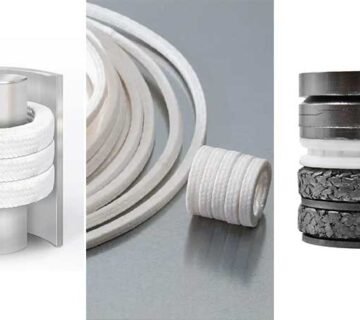
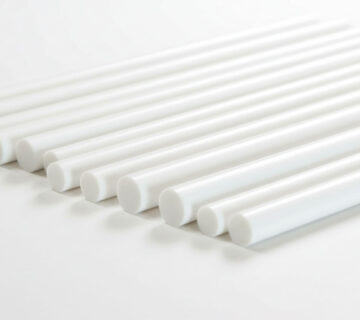
Ceramic fiber packing is designed for sealing and insulation applications in industrial equipment and furnaces. It helps prevent heat and gas leakage through joints, gaps, and expansion points while providing excellent flexibility and ease of installation, even in confined spaces.
- Ceramic Fiber Ropes
Available in a wide range of diameters and configurations, ceramic fiber ropes are commonly used for thermal sealing and insulation applications. They are frequently installed in industrial furnace doors, boilers, heat exchangers, and other high-temperature systems, where they act as heat-resistant gaskets that minimize energy loss and prevent the escape of hot air and gases.
In addition, standards developed by ASTM International highlight the importance of testing and certifying insulation materials according to precise performance requirements. Such standards help ensure that insulation products deliver reliable thermal and mechanical performance across a wide range of industrial applications.
Ceramic Fiber Densities, Temperature Ratings, and Available Dimensions
Ceramic fiber products are available in a variety of densities to meet different thermal insulation and industrial application requirements. The most common densities include 64 kg/m³, 96 kg/m³, 128 kg/m³, and 160 kg/m³. The appropriate density is selected based on the specific application, insulation requirements, and the level of durability needed. Higher-density products generally provide improved resistance to heat flow and greater performance under demanding operating conditions, making them particularly suitable for industrial furnaces and heavy-duty thermal applications.
In terms of temperature ratings, ceramic fiber is available in several grades designed to meet the needs of different industries. The most commonly used classifications are 1260°C and 1430°C, with specialized grades available for continuous operation in extremely high-temperature environments. Selecting the correct temperature grade is essential for maintaining insulation efficiency, maximizing energy savings, and extending the service life of the insulation system. For this reason, operating conditions should always be carefully evaluated before choosing the most suitable ceramic fiber product.
Available Ceramic Fiber Dimensions and Sizes
Ceramic fiber blankets are available in a variety of thicknesses, including 12.5 mm, 25 mm, and 50 mm, while standard widths are typically 610 mm or 1220 mm, with different roll lengths depending on the product type and application requirements. These options provide flexibility for a wide range of thermal insulation projects across industrial sectors.
According to information published by Owens Corning, fiber insulation boards are widely used in thermal and acoustic insulation applications across industrial and commercial facilities due to their efficiency, durability, and long-term performance stability.
Comprehensive Comparison Between Ceramic Fiber and Fiberglass: When Should Each Be Used?
Both Ceramic Fiber and Fiberglass are widely used in thermal and industrial insulation applications. However, there are significant differences between them in terms of temperature resistance and performance under various industrial operating conditions. The choice of the most suitable material depends on the specific application, the required temperature range, and the project’s budget.
| Fiberglass | Ceramic Fiber | Property |
| Up to approximately 550°C | Up to 1260°C – 1430°C | Maximum Operating Temperature |
| Good at moderate temperatures | Extremely high at elevated temperatures | Maximum Operating Temperature |
| Lightweight | Very lightweight | Weight |
| Good | Excellent | Weight |
| Building insulation, air ducts, and medium-temperature equipment | Industrial furnaces, boilers, and high-temperature manufacturing facilities | Main Applications |
| Shorter when continuously exposed to high temperatures | Longer | Service Life in High-Temperature Environments |
| Economical and moderately priced | Relatively higher | Cost |
When Should You Use Ceramic Fiber and When Should You Use Fiberglass?
- Ceramic Fiber, is the preferred choice for industrial furnaces, combustion chambers, chimneys, and equipment operating at extremely high temperatures where maximum thermal insulation performance is required.
- Fiberglass, on the other hand, is a suitable solution for medium-temperature insulation applications such as HVAC systems, ventilation ducts, storage tanks, pipelines, and industrial buildings, particularly when cost-effectiveness is an important factor in selecting the insulation material.
The standards established by the International Organization for Standardization (ISO) for Standardization emphasize the importance of complying with internationally recognized specifications when using insulation materials to ensure quality, safety, and optimal operational efficiency in industrial projects.
Ceramic Fiber Stock in Alexandria and Why Choose Al Sharq for Metals & Industrial Supplies
When searching for ceramic fiber, it is not only about selecting a thermal insulation material; it is also about obtaining the right specifications that ensure optimal performance within the operating environment. Ceramic fiber is characterized by its ability to withstand temperatures of up to 1260°C for standard grades and 1430°C or higher for high-performance grades, its low thermal conductivity, lightweight structure, thermal shock resistance, and its contribution to reducing energy consumption and improving the efficiency of furnaces and industrial equipment.
Therefore, dealing with a specialized supplier such as Al Sharq for Metals & Industrial Supplies is an important step to ensure you obtain the right product for your project. The company offers a wide range of ceramic fiber products and Thermal insulation and Leakage sealing solutions in Alexandria, available in different types, densities, and temperature ratings commonly used in the market. This helps customers choose the most suitable solution according to their specific application requirements.
The U.S. Department of Energy (Energy.gov) states that improving thermal insulation systems using materials such as fiberglass directly helps reduce energy consumption and increases the efficiency of buildings and industrial facilities.
Conclusion:
Ceramic fiber is considered one of the best thermal insulation materials used in industrial applications that require high temperature resistance and excellent thermal efficiency in reducing heat loss. With its variety of forms, including blankets, boards, cloth, packing, and ropes, as well as its different densities and temperature ratings, it is possible to select the most suitable solution for various furnace and industrial equipment requirements.
If you are looking for a reliable supplier that provides ceramic fiber products with diverse specifications and readily available stock in Alexandria, Al Sharq for Metals & Industrial Supplies offers a comprehensive range of thermal insulation solutions to help you achieve the highest levels of performance and operational efficiency.
With the expertise of Al Sharq in the insulation field, Al Sharq for Metals & Industrial Supplies in Alexandria provides integrated solutions that help customers select the most suitable ceramic fiber types according to their project requirements, while ensuring high quality and technical support that contributes to achieving the best long-term operational performance.Contact us today and get a quotation for your project.
Frequently Asked Questions:
What is ceramic fiber, and what are its main uses?
Ceramic fiber is one of the most widely used thermal insulation materials in industrial sectors that operate at high temperatures. It is manufactured from high-performance ceramic fibers characterized by their ability to reduce heat transfer and improve operational efficiency inside furnaces and thermal equipment. Ceramic fiber is used in lining industrial furnaces, insulating boilers, chimneys, and thermal production lines, as well as in industries such as steel, glass, cement, and petrochemicals. It also helps reduce energy consumption and lower operating costs due to its excellent thermal properties. To obtain the most suitable ceramic fiber type for your industrial application, contact us to learn about available options.
What temperatures can ceramic fiber withstand?
Ceramic fiber is capable of withstanding high temperatures compared to many other insulation materials, making it an ideal choice for harsh industrial environments. It is available in different grades, most commonly 1260°C and 1430°C, with the appropriate type selected based on operating temperature and application requirements. Choosing the correct temperature grade helps maintain insulation efficiency, extend equipment lifespan, and reduce long-term maintenance costs. If you need help selecting the right temperature grade for your project, contact Al Sharq for Metals & Industrial Supplies for proper technical support.
What types of ceramic fiber are available?
Ceramic fiber is available in several forms to meet different insulation requirements in industrial facilities and plants. Common types include ceramic fiber blankets used for insulating furnaces and pipelines, ceramic fiber boards suitable for lining walls and thermal roofs, and ceramic fiber cloth used in thermal curtains and industrial protective covers. In addition, ceramic fiber ropes and packing are used for sealing furnace doors and thermal joints, helping to prevent heat loss and leakage of hot gases. Contact Al Sharq for Metals & Industrial Supplies to compare thermal insulation and sealing solutions and obtain the right specifications for your application.
How do I choose the right ceramic fiber density?
The selection of ceramic fiber density depends on the industrial application and insulation requirements. Higher-density materials provide better resistance to heat transfer and improved performance under harsh operating conditions. The most commonly used densities are 64 kg/m³, 96 kg/m³, 128 kg/m³, and 160 kg/m³. It is always recommended to review the project requirements and operating temperature before selecting the appropriate density to ensure optimal performance and energy efficiency. Contact us at Al Sharq for assistance in choosing the ideal density for your project.
Is ceramic fiber available in Alexandria?
Yes, ceramic fiber is available in Alexandria through Al Sharq for Metals & Industrial Supplies, which offers a wide range of products, including blankets, boards, cloth, ropes, and packing in various densities and temperature ratings. Local availability helps speed up supply and reduce lead times, especially for factories and companies that require insulation materials urgently to maintain continuous production and operation. For inquiries about current stock availability and available sizes of ceramic fiber, contact Al Sharq today.