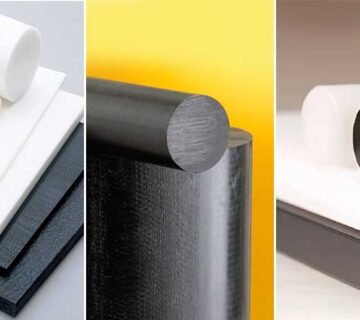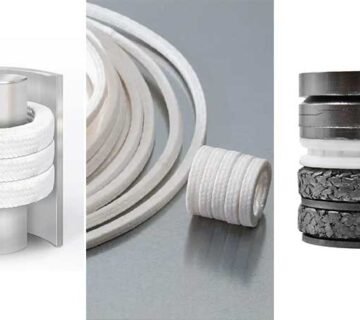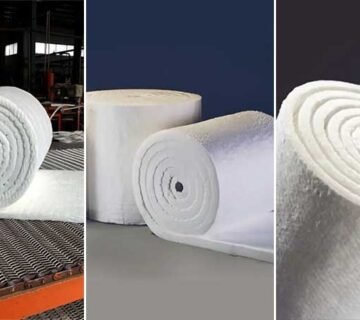

Rock wool is one of the most widely used insulation materials in industrial and commercial projects due to its exceptional ability to reduce heat transfer, minimize noise, and enhance fire resistance. Al Sharq Company in Alexandria offers a diverse range of rock wool products, including ROCKWOOL BOARDS, ROCKWOOL BLANKETS, and ROCKWOOL PIPE INSULATION, designed to meet the requirements of factories, buildings, and various engineering projects.
Table of Contents:
- What Is Rock Wool and What Are Its Applications?
- Types of Rock Wool and Their Uses
- How to Choose the Right Rock Wool for Your Project
- Why Do Factories in Egypt Rely on Rock Wool Insulation?
What Is Rock Wool and What Are Its Key Benefits?
Rock wool is one of the most widely used insulation materials in industrial and construction projects. It is manufactured from natural volcanic rocks that are melted at extremely high temperatures and then spun into fine, interwoven fibers. These fibers provide unique properties that help reduce heat transfer, absorb sound, and deliver a high level of fire protection.
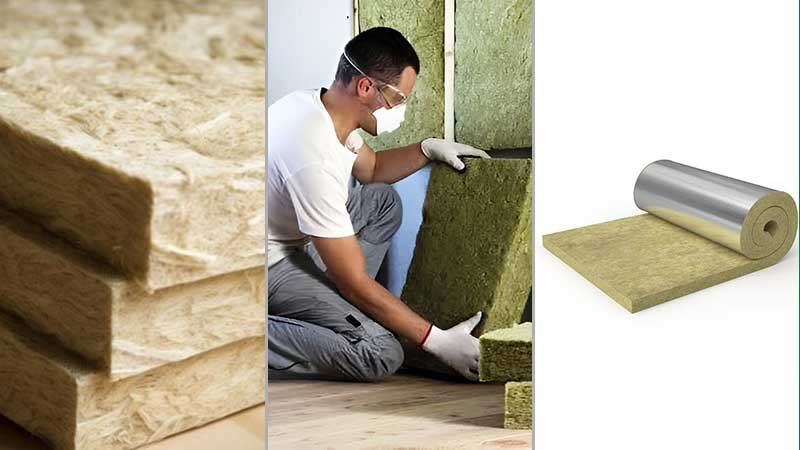
Rock wool is available in several forms to suit different applications, including Rockwool Boards, which are commonly used for walls and ceilings; Rockwool Blankets, ideal for roofs and industrial equipment; and Rockwool Pipes, specifically designed for insulating piping systems, steam lines, and cooling networks. As a result, rock wool has become one of the most trusted insulation solutions for factories, commercial buildings, and engineering projects that require outstanding performance and long-term durability.
Key Benefits of Rock Wool
- Outstanding Thermal Insulation Performance: Helps minimize heat transfer and reduce energy loss, improving overall energy efficiency.
- Wide Density Range: Available in densities ranging from 40 kg/m³ to 120 kg/m³, making it suitable for a variety of industrial and construction applications.
- Excellent Acoustic Insulation: Effectively absorbs sound and reduces noise transmission, creating quieter and more comfortable environments.
- Exceptional Fire Resistance: Withstands high temperatures and provides strong fire protection, enhancing building safety.
- Long Service Life: Maintains its insulation performance for many years with minimal maintenance requirements.
- Versatile Applications: Suitable for industrial, commercial, and residential projects alike.
- Multiple Product Forms: Available as boards, blankets, and pipe sections to accommodate diverse engineering and insulation needs.
For this reason, many engineers and contractors prefer using rock wool insulation because it combines multiple benefits in a single solution. It not only provides highly effective thermal insulation but also delivers excellent acoustic insulation, helping to reduce noise levels and create more comfortable environments. In addition, its outstanding fire-resistant properties enhance overall safety in buildings and industrial facilities.
Rock wool also plays a significant role in improving energy efficiency by reducing heat transfer and maintaining stable indoor temperatures. This helps lower energy consumption, decrease operating costs, and support the long-term performance of commercial, industrial, and residential projects.
As highlighted in the technical documentation published by ROCKWOOL, rock wool is widely used in thermal and acoustic insulation applications, as well as for fire protection in a broad range of industrial, commercial, and construction sectors.
Types of Rock Wool Products and Their Main Applications
Al Sharq Company offers a comprehensive range of Rock Wool insulation products designed to meet the requirements of various industrial and engineering applications. Choosing the right product depends on the project’s specifications, insulation requirements, and operating conditions.
ROCKWOOL BOARDS
Rock wool boards are commonly used for insulating walls, roofs, and metal-clad structures. They are an ideal solution for projects that require excellent mechanical strength, dimensional stability, and superior thermal performance. In addition to enhancing energy efficiency, rock wool boards help reduce noise transmission between different areas, making them suitable for both industrial and commercial buildings.
ROCKWOOL BLANKETS
Rock wool blankets are known for their flexibility and ease of installation. They are widely used for insulating tanks, furnaces, air ducts, and irregularly shaped surfaces where rigid insulation materials may not be practical. As a result, they are among the most popular solutions for industrial equipment insulation applications.
ROCKWOOL PIPES
Rock wool pipe sections are specifically engineered for insulating pipelines, water networks, steam systems, and cooling lines. They help minimize heat loss, improve system efficiency, and protect piping systems from the effects of extreme temperature variations.
Applications of Rock Wool Products Across Different Projects
Rock wool products are available in a variety of forms to meet the thermal and acoustic insulation requirements of diverse industrial, commercial, and construction projects. Selecting the most suitable product depends on factors such as the type of project, the surface being insulated, operating temperatures, and performance expectations.
| Ceramic Fiber | ROCKWOOL Rock Wool | Feature |
| Excellent to Superior | Excellent | Thermal Insulation Performance |
| Low to Moderate | Excellent | Acoustic Insulation Performance |
| Excellent | Excellent | Fire Resistance |
| 1260°C – 1430°C | Up to 650°C | Maximum Operating Temperature (Approx.) |
| 64–160 kg/m³ | 40–150 kg/m³ | Available Density Range |
| Furnaces, boilers, foundries, kilns, and heat-processing lines | HVAC ducts, pipelines, boilers, machinery rooms, and commercial and industrial buildings | Common Applications |
| Higher Cost | Moderate | Cost |
| Requires greater installation expertise | Easy to install | Ease of Installation |
When to choose each material?
- Choose Rock Wool (Rockwool) if you need good thermal and acoustic insulation with high fire resistance in factories and buildings.
- Choose Ceramic Fiber if temperatures are very high, such as in industrial furnaces, boilers, and heat treatment lines.
Information published by the U.S. Department of Energy (Energy.gov) indicates that improving thermal insulation systems is one of the most important factors that help increase energy efficiency and reduce energy consumption inside buildings and industrial facilities.
How to Select Rock Wool for Thermal Insulation According to Project Requirements
Many factory owners and contractors ask about how to properly select rock wool for thermal insulation. The answer depends on several key factors, most importantly the nature of use, required temperature, and the targeted level of acoustic insulation.
Key Factors to Consider When Choosing Rock Wool
Rock wool density
Rock wool density ranges from (starting from 40 kg – 60 kg – 80 kg – 100 kg – 120 kg). Density is one of the most important performance factors, as requirements differ between commercial buildings and industrial facilities. When looking for the best rock wool density for industrial buildings, operating conditions and exposure to heat and vibration must be considered.
Operating temperature
Rock wool temperature ranges from °C up to 650°C. Therefore, the temperature to which the site or equipment is exposed is one of the most important factors in selecting rock wool. Industrial projects that include furnaces or steam lines require products with suitable densities to maintain insulation efficiency for long periods and reduce heat loss.
Required acoustic insulation level
If the project goal is not limited to thermal insulation only, it is necessary to determine the required level of sound insulation. Factories, machine rooms, and control centers require materials that help provide acoustic insulation and reduce sound transmission between different spaces.
Surface area and nature of the area to be insulated
Insulation requirements vary depending on the project size and surface shape. Large areas may be more suitable for certain types of rock wool, while irregular surfaces or industrial equipment require more flexible solutions.
Fire resistance and safety requirements
In many industrial and commercial facilities, fire resistance is a key factor when selecting insulation materials. Rock wool helps enhance safety levels due to its ability to withstand high temperatures.
Type of application used
The suitable product varies according to the application. Wall and ceiling insulation usually requires rock wool boards, while blankets are used for equipment, tanks, and air ducts. Rock wool pipes are the best choice for insulating water, steam, and cooling lines.
Suitable rock wool density
Rock wool density is one of the main factors affecting thermal and acoustic insulation performance. The higher the density, the greater the material’s ability to withstand operating conditions and improve insulation efficiency in certain industrial applications.
Reviewing rock wool specifications for engineering projects also helps ensure product compatibility with project technical standards and achieve the best possible results in terms of efficiency and sustainability. Learn more about Thermal insulation products and leakage Sealing.
As indicated by ASTM International standards, it is important to test and certify insulation materials against precise technical specifications to ensure the required performance in thermal insulation, fire resistance, and long-term durability.
Why Do Factories and Projects in Egypt Rely on Rock Wool?
The demand for rock wool in the Egyptian market is increasing with the expansion of industrial and construction projects and the growing focus on energy efficiency and occupational safety requirements. Many companies are now aiming to reduce operating costs by adopting insulation solutions that help maintain stable temperatures and lower energy consumption, making rock wool thermal insulation one of the most in-demand options in factories, warehouses, and commercial facilities.
Rock wool is also widely used in machine rooms for its ability to reduce noise from industrial equipment and minimize sound transmission between areas. This helps create a more comfortable working environment for employees, in addition to protecting equipment and improving long-term operational efficiency.
When considering the price of rock wool for factories in Egypt, it is important not to rely on cost alone as the main selection criterion. Several factors must be taken into account, such as rock wool density, required thickness, application type, and product form, whether Rock Wool Boards, Rockwool Blankets, or Rockwool Pipes.
From our headquarters in Alexandria, Al Sharq Company for Metals and Industrial Supplies provides a complete range of ROCKWOOL products that meet the needs of factories, contractors, and consultants across various sectors. Contact us to request a quotation now.
International Organization for Standardization (ISO) guidelines emphasize the importance of complying with internationally recognized standards when selecting insulation materials for industrial and construction projects to ensure quality and operational efficiency.
Conclusion:
Rock wool is one of the most efficient insulation solutions for industrial and construction projects that seek to combine high performance, safety, and sustainability. Thanks to its ability to provide thermal insulation, effective acoustic insulation, and excellent fire resistance, it has become a key choice in many applications that require energy conservation, improved working environments, and protection of facilities and equipment. The variety of products, including rock wool boards, blankets, and pipe sections, gives project owners greater flexibility in selecting the most suitable solution according to usage requirements and operating conditions.
Since the success of any insulation system does not depend on the product alone, choosing the right density and correct technical specifications plays a crucial role in achieving the best long-term results. Therefore, it is always recommended to rely on a supplier with technical expertise and the ability to provide solutions tailored to each project’s needs.
Through its experience in supplying ROCKWOOL products in the Egyptian market, Al Sharq Company for Metals and Industrial Supplies, based in Alexandria, offers a wide range of rock wool solutions that help factories, contractors, and consultants execute their projects with higher efficiency and reliable quality.
Frequently Asked Questions:
What is rock wool?
Rock wool is an insulation material made from natural volcanic rocks that are melted at very high temperatures and then converted into fine, interconnected fibers. These fibers give the material its distinctive properties, making it effective for thermal insulation, acoustic insulation, and fire resistance. Rock wool is used in many industrial and construction applications, such as insulating walls, ceilings, pipes, machine rooms, and HVAC systems, due to its ability to improve energy efficiency and reduce heat and noise transfer within facilities.
Contact us to get the best type of rock wool suitable for your project requirements and insulation needs.
What is the best density for industrial insulation?
The best insulation density depends on the nature of the application and project requirements, as there is no single density suitable for all uses. Projects exposed to high temperatures or requiring higher levels of acoustic insulation may need higher densities to achieve the required performance. Other factors, such as surface type, operating temperature, and safety requirements, also affect the choice of the appropriate density. Therefore, it is always recommended to review technical specifications before purchasing to ensure optimal efficiency and service life.
Request a quotation from Al Sharq Company to help you choose the appropriate rock wool density for your project.
Is rock wool fire-resistant?
Yes, rock wool is one of the most well-known insulation materials for fire resistance, as it is made from natural mineral materials capable of withstanding very high temperatures. For this reason, it is widely used in factories, commercial buildings, and engineering projects that require high safety standards. Rock wool also helps reduce heat transfer and slow the spread of fire, providing additional time to respond to emergencies and improving overall building safety.
If you are looking for insulation solutions that combine efficiency and safety, contact us to learn more about suitable Rock Wool products for your project.
What is the difference between rock wool and fiberglass?
Both rock wool and fiberglass are used in insulation applications, but there are important differences between them. Rock wool is characterized by higher fire resistance and better performance at high temperatures, as well as superior acoustic insulation due to its dense fibrous structure. Fiberglass, on the other hand, is known for its lightweight nature and lower cost in some applications. The choice between the two materials depends on the nature of the project and the insulation objective, whether the focus is thermal insulation, acoustic insulation, or safety and fire resistance requirements.
Contact Al Sharq Company’s team to compare thermal insulation and leakage insulation options and choose the most suitable solution for your project needs.
What is the lifespan of rock wool?
Rock wool has a long lifespan that can extend for decades when installed correctly and used according to proper technical specifications. One of its main advantages is its ability to maintain thermal and acoustic insulation properties over long periods without significant performance degradation, reducing the need for frequent maintenance or replacement. Its resistance to moisture, heat, and environmental factors makes it a practical investment for industrial and commercial projects seeking durable and sustainable insulation solutions.
Contact us to learn about available rock wool stock.