
Phenolic is one of the most important insulation materials used in the electrical and engineering industries. It is widely utilized in the manufacturing of electrical panels and mechanical insulators due to its excellent insulating properties and durability in various industrial environments. In Egypt, Al Sharq Company in Alexandria also provides a wide range of industrial materials, including Phenolic Cotton Cloth and Epoxy Sheets, to meet the needs of factories and engineering projects that require precise and reliable insulation solutions.
Table of Contents:
- What Is Bakelite and What Are Its Key Properties?
- Main Applications of Bakelite
- The Difference Between Bakelite and Fiberglass
- The Best Type of Bakelite for Electrical Insulation and Its Prices in Egypt
Comprehensive Overview of Bakelite and the Key Features of Bakelite Sheets
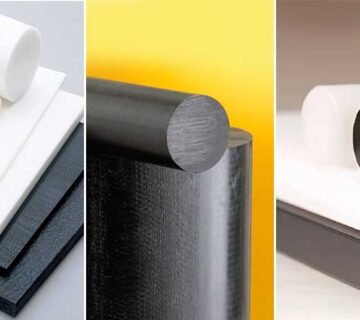
Phenolic is an industrial insulation material primarily used in electrical and mechanical applications. It is manufactured from compressed materials such as cotton fabric combined with phenolic or epoxy resins, giving it excellent electrical insulation properties and strong resistance to heat. Phenolic sheets are widely used across industries that require reliable protection against electrical current and the prevention of unwanted conductivity.
ASTM International is one of the world’s leading organizations responsible for developing technical standards and testing specifications for industrial materials, including electrical and thermal insulation products. These standards help ensure product quality, performance reliability, and compliance with engineering requirements across a wide range of industrial applications.
Key Advantages of Phenolic Sheets and Rods
Strong and Reliable Electrical Insulation
Phenolic Cotton Bakelite is one of the most widely used materials for electrical insulation in control panels and industrial equipment. In terms of insulation classification, P1-grade Bakelite is generally categorized as a Class Y thermal insulation material, with a maximum continuous operating temperature of approximately 90°C (194°F). This makes it well-suited for low-voltage applications and moderate operating environments where dependable electrical insulation is required.
Excellent Resistance to Heat and Mechanical Stress
Phenolic offers good resistance to elevated temperatures and the mechanical stresses generated by continuous operation in electrical systems. This combination of thermal and structural performance makes it a reliable choice for industrial environments exposed to ongoing electrical and thermal loads.
Easy Machining and Fabrication
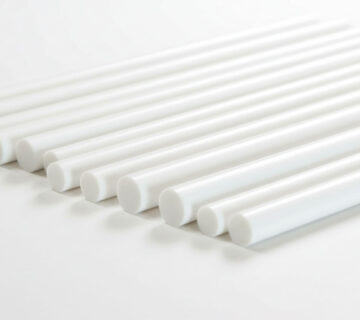
One of the key benefits of Phenolic sheets and rods is their ease of cutting, drilling, and machining to meet a wide range of engineering requirements. This manufacturing flexibility allows them to be customized for various electrical panel designs and industrial applications.
Long Service Life in Industrial Applications
Phenolic sheets provide excellent dimensional stability and durability, enabling long-term performance even under demanding operating conditions. Their extended service life helps reduce replacement frequency and lowers overall maintenance costs.
Ideal for Electrical Panels and Equipment
Phenolic Cotton Sheets are extensively used in the manufacture of electrical panels, mounting bases, insulating supports, and internal insulation components. Their ability to provide dependable protection for sensitive electrical equipment makes them a preferred material across numerous electrical and industrial applications.
Applications of Bakelite in Electrical Panels and Engineering Industries
Phenolic sheets are primarily used in the manufacturing of electrical panels and control boards due to their excellent electrical insulation properties, which help prevent current leakage that could lead to operational failures or electrical hazards within industrial facilities. These sheets are considered among the most reliable materials for bothThermal Insulation and Leakage Sealing protection in industries that rely on electrical power distribution and circuit control. Bakelite sheets are also widely used in pump manufacturing plants, power stations, production lines, and packaging factories throughout Egypt.
Common Components Manufactured from Bakelite Include:
- Contactor bases
- Copper busbar separators
- Industrial heater supports
- Bushings and electrical insulators
In addition, Phenolic sheets are extensively used to produce insulating bases for electrical equipment, as well as separators and insulation components within a wide range of industrial devices. They are also utilized in mechanical applications that require a material combining high mechanical strength with excellent electrical insulation. This combination helps protect internal components and minimizes the risk of damage, malfunction, or failure caused by electrical contact or current leakage.
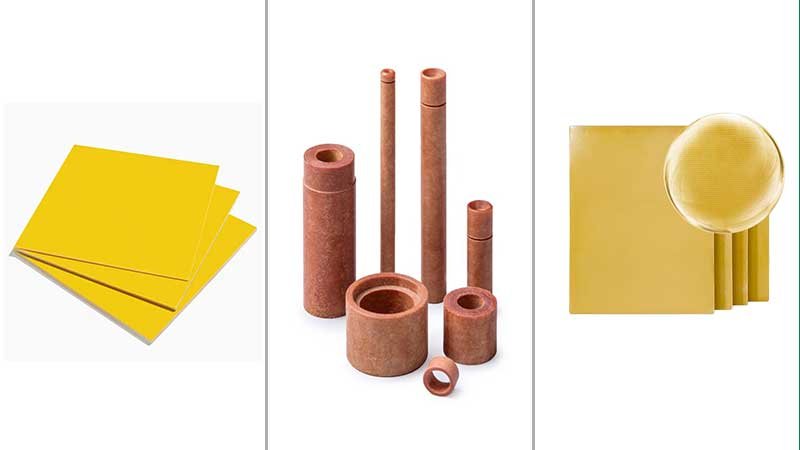
Al Sharq Company supplies high-quality specialized materials such as Phenolic Cotton, widely used for high-performance electrical insulation, and EPOXY-G10, known for its exceptional durability and resistance in demanding industrial environments. These materials provide factories and engineering projects with comprehensive solutions suitable for a variety of electrical and mechanical applications. Browse our products to explore the full range of industrial insulation materials available.
The International Organization for Standardization (ISO) establishes globally recognized standards to ensure product quality, improve safety, and enhance operational efficiency across a wide range of engineering and industrial sectors.
The Difference Between Bakelite and Fiberglass: How to Choose the Right Bakelite Sheets?
When comparing Phenolic Cotton Sheets (Bakelite) with Fiberglass Sheets such as EPOXY G10 and FR4, it is important to understand that each material offers unique properties that make it suitable for specific applications. Phenolic Cotton is primarily valued for its excellent electrical insulation, ease of machining, and cost-effectiveness. At the same time, fiberglass-based materials provide higher mechanical strength, superior thermal resistance, and enhanced performance in demanding environments.
Below is a comparison of the key differences between Phenolic Cotton Cloth and EPOXY G10 / FR4:
| Phenolic Cotton Cloth (Bakelite) | Phenolic Cotton Cloth (Bakelite) | Property |
| Excellent | Very Good | Dielectric Strength |
| Higher resistance, suitable for more demanding and sensitive applications | Suitable for most electrical panels and industrial applications | Voltage Resistance |
| Typically Class F and sometimes higher, depending on the material specification | Typically, Class B or lower, depending on the grade | Class of Insulation |
| Excellent | Moderate | Moisture Resistance |
| Very High | Good | Mechanical Strength |
| Higher Cost | Economical | Cost |
| Heavy-duty industrial applications, high-performance electrical equipment, and higher-voltage panels | Electrical panels, general insulation components, contactor bases, and electrical supports | Common Applications |
How to Choose the Right Bakelite Sheets for Industrial Applications
- If your application requires a cost-effective electrical insulation material that is easy to machine and install, Phenolic Cotton Cloth (Bakelite) is often the ideal choice. It provides reliable electrical insulation and dependable performance for a wide range of standard industrial and electrical applications.
- However, if the operating environment involves high humidity, greater electrical loads, or increased mechanical stress, EPOXY G10 or FR4 sheets offer superior performance and a longer service life. These materials provide enhanced mechanical strength, moisture resistance, and thermal stability, making them suitable for more demanding industrial conditions.
Key Selection Criteria Include:
- The operating voltage level of the electrical system.
- Environmental conditions (dry, humid, or harsh industrial environments).
- The required sheet thickness is based on the application.
- Resistance to heat and mechanical pressure.
- The technical specifications and performance requirements of the project.
Understanding the technical characteristics of Bakelite materials for engineering applications is essential for selecting the most suitable grade, ensuring maximum safety, reliability, and operational efficiency within factories and industrial projects. Explore the full range of Phenolic available from Al Sharq Metals & Industrial Supplies to find the right solution for your application.
The National Electrical Manufacturers Association (NEMA) is responsible for establishing standards for electrical equipment and systems, ensuring the highest levels of safety and efficiency in the manufacturing and use of electrical components and industrial insulation materials.
Best Type of Bakelite for Electrical Insulation and Prices in Egypt
Choosing the best type of phenolic for electrical insulation is a critical step that depends directly on the nature of the application and the required level of operational safety within the project. Phenolic materials vary in composition and properties, primarily between standard phenolic Bakelite and glass-reinforced Bakelite.
When it comes to Phenolic sheet prices in Egypt, there is no fixed rate, as pricing depends on several factors such as sheet thickness, material quality, production grade, and whether the material is standard phenolic or glass-reinforced. Custom fabrication requirements for specific engineering projects also influence the final cost.
Al Sharq Company is considered one of the leading suppliers in Egypt and Alexandria in the field of electrical and industrial insulation materials, offering a comprehensive range of products, including Bakelite sheets and rods, Phenolic Cotton Cloth, and Epoxy Sheets to meet the needs of factories and engineering projects.
For technical references and detailed material specifications, engineers often rely on resources such as McMaster-Carr, which provides extensive data on industrial materials, insulation sheets, and engineering-grade components to help in selecting the most suitable materials according to standardized specifications.
Conclusion:
In conclusion, Phenolic can be considered one of the most important electrical insulation materials used in industrial panels and equipment, due to its reliable insulating performance that combines mechanical strength, electrical stability, and operational safety.
In addition, the variety of phenolic sheet types—such as glass-reinforced and standard phenolic grades—along with the use of Bakelite sheets in structural bases and internal insulation components, provides engineers and manufacturers with significant flexibility in selecting the most suitable solution for each application. With variations in prices and specifications in the Egyptian market, relying on materials that comply with technical standards becomes essential to ensure optimal performance and the highest level of safety.
Within this context, Al Sharq Company plays an important role in supplying electrical and industrial insulation solutions in Egypt, particularly in Alexandria, by offering reliable materials and technical support that helps customers choose the right products for their projects. This contributes to improving operational efficiency, reducing failures, and achieving better long-term sustainability for industrial equipment and systems.
Frequently Asked:
What is Phenolic?
Phenolic is an industrial insulation material widely used in electrical and mechanical applications. It is typically made from compressed materials such as cotton reinforced with phenolic or epoxy resins. It is known for its high rigidity and durability, making it suitable for electrical panels and industrial equipment that require strong and stable insulating materials. It is available in the form of Bakelite sheets or boards that can be cut and shaped according to project requirements. Contact us now to request an instant quotation.
Is Phenolic an electrical insulator?
Yes, Phenolic is considered an excellent electrical insulating material. It prevents the flow of current between different components inside electrical panels and reduces the risk of short circuits or operational failures. That is why it is widely used in electrical insulation components across industries that require high safety levels and stable performance, especially in control and distribution panels.
What is the difference between Phenolic and fiberglass?
The main difference is that Phenolic is mainly used for direct electrical insulation inside panels and equipment, while fiberglass is more commonly used for thermal and acoustic insulation. Bakelite offers higher rigidity and better electrical insulation performance, whereas fiberglass is lighter in weight and more versatile for thermal insulation applications in buildings and industrial facilities.
How do I choose the right thickness?
Choosing the appropriate thickness of Bakelite sheets depends on several factors, including the voltage level of the system, the type of application (control panel or industrial equipment), as well as temperature and mechanical stress conditions.
Phenolic sheets are available in 1000 × 2000 mm sizes with the following thickness options:
- 3 mm: Suitable for light-duty applications and small control panels.
- 5 mm: A balanced option for general electrical and industrial use.
- 10 mm: Provides higher strength and durability for applications requiring more mechanical support.
- 20 mm: Suitable for heavy industrial applications requiring maximum rigidity and support.
In general, the higher the electrical load or operational complexity, the greater the required thickness to ensure long-term safety and efficiency. Browse our products to learn more about Bakelite sheets and rods specifications.
What are its most common industrial applications?
Phenolic is widely used in manufacturing electrical panels and control boards, as well as insulating bases inside industrial equipment and separators between electrical components. It is also used in some mechanical applications that require a strong material combining electrical insulation and durability. It is considered one of the key materials in industries that rely on continuous operation and require high electrical safety standards. Contact Al Sharq Company to place bulk orders.