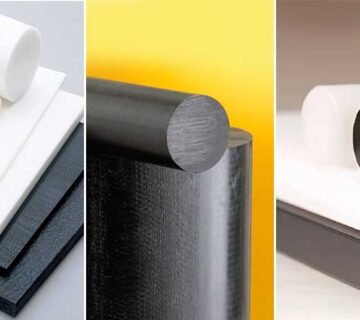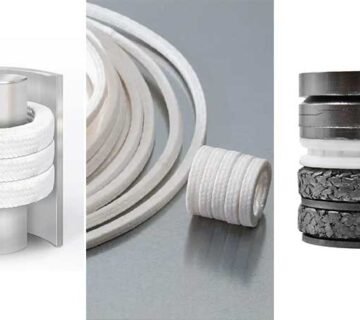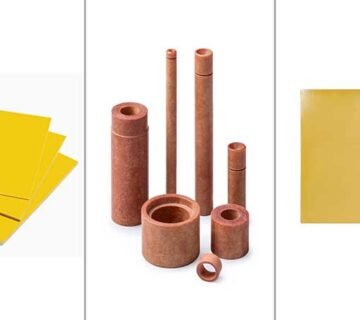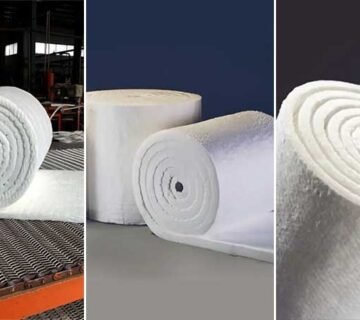

Polyethylene is one of the most important plastic materials used across various industries, and its demand continues to grow due to its versatility, durability, and cost-effectiveness. If you are looking for polyethylene supply in Egypt with certified quality and competitive prices, you need a reliable supplier who provides materials that meet standard specifications, with consistent supply and fast delivery.
Al Sharq Company offers all types of polyethylene plastic materials for industrial or commercial use, along with the best polyethylene prices suitable for factories and companies.
Table of Contents:
- What is Polyethylene and What Are Its Properties?
- Types of Polyethylene and Its Uses
- Polyethylene Prices Today in Egypt
- Polyethylene Supply for Sale in Egypt with the Best Quality
What is Polyethylene? A Comprehensive Definition and Detailed Explanation of Its Properties, Types, and Industrial Uses
1. Definition of Polyethylene:
Polyethylene, scientifically known as polyethylene, is one of the most widely used and common plastic polymers in the world. It is used in the production of thousands of daily and industrial products. Polyethylene is produced through the polymerization of ethylene gas, resulting in a thermoplastic material that is flexible, easy to mold, and can be reprocessed with heat. When asking “what is polyethylene?” or “the name of polyethylene,” it is important to note that it belongs to the family of thermoplastics, which can be melted and reshaped multiple times without losing their essential properties.
2.Properties of Polyethylene:
Polyethylene has multiple properties that make it an ideal choice in industrial sectors, the most prominent of which are resistance to moisture and chemicals, excellent electrical insulation, and lightweight compared to metals and traditional materials. Properties also vary by type: high-density polyethylene is characterized by strength, rigidity, and pressure resistance, while low-density polyethylene is known for its flexibility and ease of use in packaging applications. These wide-ranging features have contributed to the extensive use of polyethylene in local and global markets.
Types of Polyethylene and Its Uses in Various Industries – Detailed Overview
Polyethylene types vary according to density and intended use, making it one of the most versatile and widely used plastic materials in the market. Differences in density directly affect rigidity, flexibility, and durability, resulting in a wide range of polyethylene applications across industrial, commercial, and agricultural sectors.
High-Density Polyethylene (HDPE):
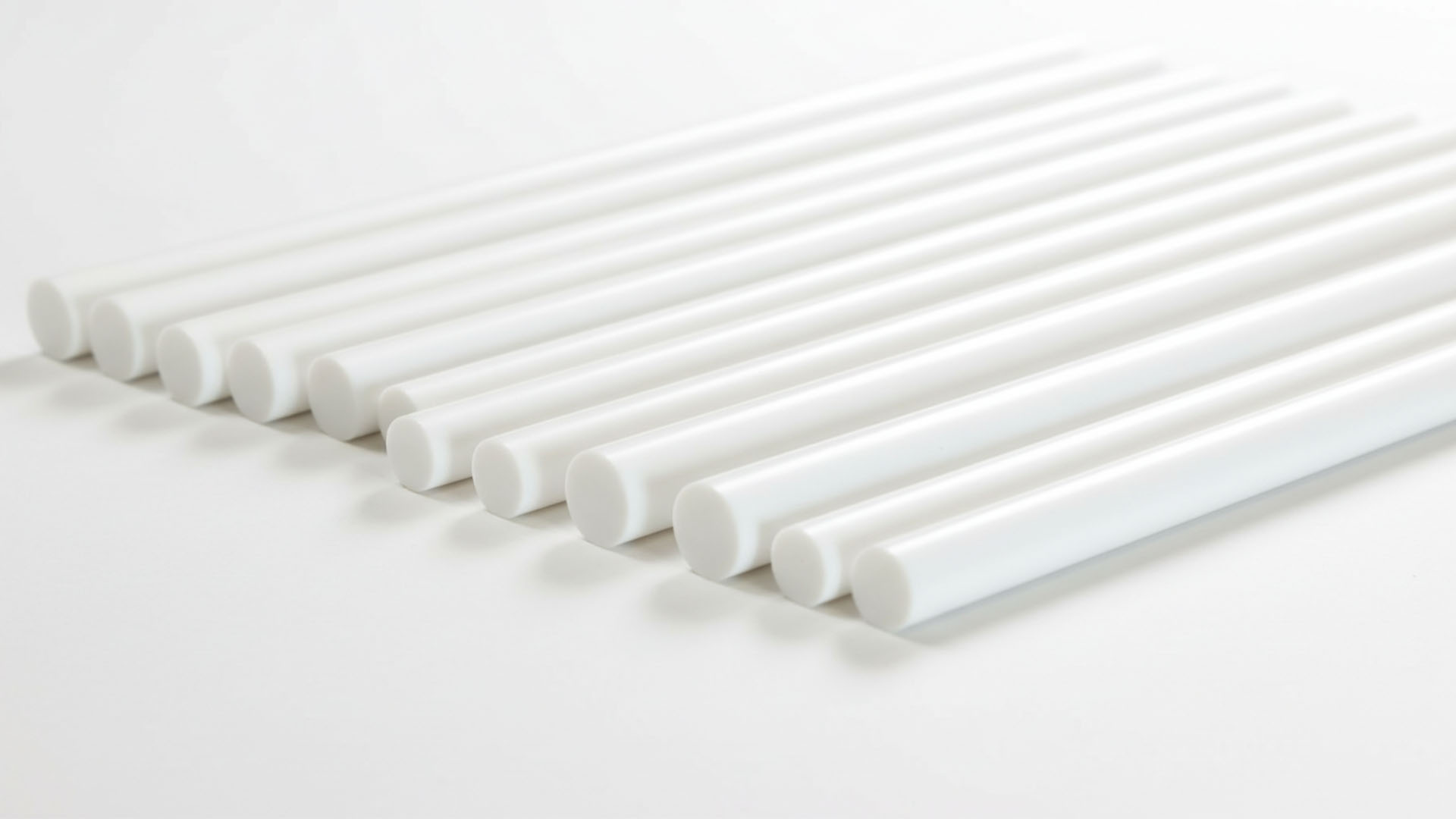
Also known as high-density polyethylene, HDPE is characterized by high strength, rigidity, and resistance to impact and chemicals.
Key uses of HDPE include:
- Manufacturing water and gas pipes.
- Water and chemical tanks.
- Industrial containers.
- Storage boxes.
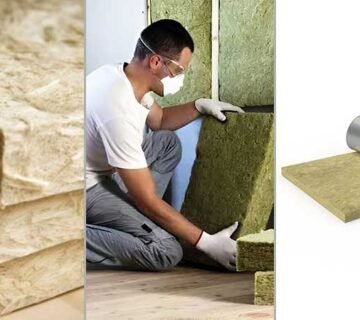
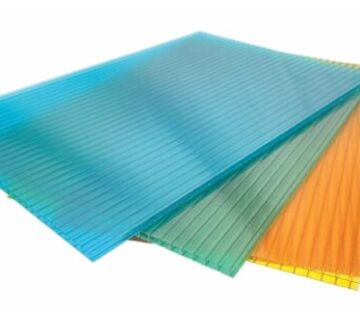
- Insulation and protective panels.
- Automotive parts and engineering components.
Low-Density Polyethylene (LDPE):
LDPE is more flexible and softer than HDPE, with ease of molding and lightweight properties.
Key uses of LDPE include:
- Packaging bags.
- Agricultural plastic films.
- Ground insulation and construction sheeting.
- Food industry applications.
- Packaging industrial products.
Linear Low-Density Polyethylene (LLDPE):
LLDPE combines high flexibility with strength and is used in applications requiring greater tensile resistance compared to LDPE.
Thanks to this wide variety, polyethylene applications extend from heavy industries to everyday consumer products, making it an essential material in both the Egyptian and global markets.
Polyethylene Prices Today in Egypt and the Factors Affecting Them
Polyethylene prices are among the most important indicators that factory owners and companies consider before making a purchase, especially with the continuous fluctuations in global raw material prices. When searching for today’s polyethylene price in Egypt, you will notice variations that depend on several factors, such as the type of material (High-Density HDPE vs. Low-Density LDPE), purity grade, country of origin, and order quantity. Knowing the latest polyethylene prices enables optimal budget planning and selecting the most suitable type for your project.
In general, polyethylene pricing is determined by density and quality. High-density polyethylene (HDPE) is relatively more expensive than low-density polyethylene (LDPE) due to its rigidity and higher durability, particularly for engineering applications such as pipe and tank manufacturing. Large quantities used in industrial projects can also influence the final price, as bulk purchases of polyethylene in Egypt often qualify for discounts.
When comparing polyethylene prices or inquiring about current market rates, it is also important to consider market fluctuations, transportation costs, material quality, and after-sales services or technical support offered by the supplier, ensuring the best value for your investment in plastic materials.
Al Sharq Company – Polyethylene Supply in Egypt with Certified Quality and Competitive Prices for Factories and Companies
Polyethylene is one of the most important and widely used Engineering plastic materials in the Egyptian and global markets. It is essential in a vast range of industries, including packaging, pipes, tanks, insulation, food processing, and engineering applications. With the growth of industrial projects and infrastructure in Egypt, the demand for high-quality polyethylene at stable prices has become a necessity for any factory or company seeking a strong and cost-effective material.
The polyethylene market in Egypt is highly diverse, offering various types and grades, including high-density polyethylene (HDPE) and low-density polyethylene (LDPE). This diversity allows great flexibility in selecting the right material according to the nature of the business. Therefore, choosing a reliable supplier that provides regular supply, certified quality reports, and the best polyethylene prices is a crucial step to ensure production stability and reduce operational costs.
If you are looking for a dependable partner for supplying engineering plastic materials and polyethylene in large or medium quantities, Al Sharq Company provides a comprehensive solution in terms of quality, adherence to specifications, and competitive prices suitable for factories and companies across Egypt.
Conclusion:
In conclusion, polyethylene is one of the most widely used and prevalent plastic materials in the Egyptian market, thanks to its variety of types, such as high-density and low-density, and its diverse applications across industries—from packaging and bag manufacturing to pipes, tanks, and heavy engineering applications. This versatility provides companies and factories with great flexibility in selecting the right material according to the nature of the project and the required quality and durability.
Monitoring today’s polyethylene prices in Egypt is also a crucial step for any industrial or commercial business, especially amid continuous fluctuations in global raw material prices, transportation costs, and exchange rates. Choosing the right supplier is just as important as selecting the type of material itself, since quality and supply stability directly affect production efficiency, reduce waste, and increase profitability.
Therefore, always work with a trusted company like Al Sharq, which ensures genuine materials at competitive prices along with professional technical support. Contact us now to learn the latest prices and take advantage of the best polyethylene offers in Egypt, guaranteeing a strong start for your project and achieving the highest possible return on investment.
Frequently Asked Questions:
What are the uses of polyethylene?
Polyethylene is widely used across many industries due to its high flexibility and resistance to moisture and chemicals. It is used in the production of plastic bags, packaging films, containers, water tanks, drainage and irrigation pipes, as well as insulation panels and agricultural applications such as plastic greenhouses.
High-density polyethylene (HDPE) is preferred in heavy industries that require greater strength and rigidity, while low-density polyethylene (LDPE) is ideal for flexible packaging products. This versatility makes polyethylene an essential material in construction, agriculture, and the food industry.
Contact us now to get the best polyethylene materials suited to your project’s needs, and browse our products to select the most suitable type.
What is the difference between plastic and polypropylene?
The term “plastic” is a general term that includes many polymer materials, whereas polypropylene (PP) is a specific type of plastic known for its lightweight, high resistance to heat, and chemical durability. Polypropylene is commonly used in manufacturing household items, automotive parts, and food containers because it can withstand higher temperatures compared to some other types of plastic.
In contrast, “plastic” broadly includes materials such as polyethylene, polypropylene, and polycarbonate, each with its own properties and applications depending on the intended use.
If you are looking for the most suitable material for your industrial product, browse our products now to explore our available high-quality materials.
What are the products made from polyethylene?
Polyethylene products include a wide range of everyday and industrial items, such as shopping bags, packaging films, water tanks, irrigation pipes, insulation panels, and plastic containers, as well as parts used in engineering applications. It is also used in manufacturing children’s toys and some household items due to its relative safety and ease of molding. The final product varies depending on the type and density of polyethylene used, providing manufacturers with great flexibility in design and application.
Order high-quality polyethylene products now and browse our complete range to choose what best suits your needs.
What are the hazards of polyethylene?
Polyethylene is relatively safe when used correctly, especially in approved food applications. However, it can have environmental impacts if not properly recycled, as it takes a long time to decompose naturally. Burning polyethylene unsafely can also release harmful emissions. Therefore, waste management and recycling are essential to reduce environmental impact. Choosing high-quality materials and adhering to standard specifications minimizes potential risks and ensures safe and sustainable use.